最新文章
-

Digital twin for simulating new transportation modes and their impact
Digital twin for simulating new transportation modes and their impact Jan 18, 2026
 -

Automating Supplier Relationship Management with Generative AI
- Generative AI boosts decision-making and supplier engagement strategies.- It provides actionable insights enhancing supplier evaluation processes.- Automation streamlines communication, reducing operational inefficiencies.- Customized engagement and proactive risk management enhance supplier relationships.As generative AI continues to shape the future of Supplier Relationship Management, businesses need to embrace this technology to remain competitive and foster invaluable supplier partnerships.
Jan 18, 2026 -

AI for Last Mile Delivery Optimization: Enhancing Customer Experience
Reduce delivery times and improve operational performance.- Real-Time Data Analysis: Make informed decisions based on live data.- Cost Reduction: Achieve lower operational costs and increase profitability.AI systems adapt routes dynamically to navigate obstacles like road closures, ensuring timely deliveries. Inventory Management Reimagined with AIAI is also revolutionizing inventory management by analyzing data to reduce waste and optimize stock levels. Through machine learning, businesses can anticipate demand, leading to better decision-making and a notable reduction in inventory costs. Advantages of AI in Inventory Management- Data-Driven Decision Making: Harness historical data for efficient stock control.- Automation: Decrease human error in inventory assessments, enhancing overall accuracy.- Cost Savings: Save 10-20% on inventory costs while improving profitability.AI allows companies to maintain necessary stock levels, driving customer satisfaction through fewer stockouts and delays. Enhancing Personalization and Customer ExperienceAI’s influence extends to understanding user behavior and enhancing personalization. Machine learning algorithms analyze customer interactions, allowing businesses to tailor their services effectively. Reports show that organizations using AI to gain insights can boost conversion rates by up to 15%. Strategies for Optimal Customer Engagement- Dynamic Personalization: Adjust delivery services based on individual needs and preferences.- Feedback Loops: Use real-time feedback to identify areas for improvement in service delivery.- Chatbots for Support: Deploy AI chatbots to handle common inquiries, improving response times and operational efficiency. Navigating Challenges in AI ImplementationDespite its advantages, implementing AI does come with hurdles, including:- High Initial Investment: Setting up AI systems requires resource allocation and training.- Data Privacy Concerns: Compliance with regulations like GDPR is crucial.- Cultural Resistance: Organizations may need to address hesitations within the workforce to fully leverage AI. The Future of AI in LogisticsAs technology evolves, the future of AI in logistics and last-mile delivery looks promising. Innovations like drones and autonomous vehicles are set to enhance operational efficiencies while aligning with consumers’ growing expectations for quicker, personalized, and eco-friendly services. Key Future Trends- Increased adoption of AI and robotics in delivery.- Personalized delivery experiences shaped by customer feedback.- Sustainability initiatives that align corporate practices with consumer values.Companies that actively embrace these trends will be well-positioned to meet market demands and foster long-lasting customer loyalty.Embrace the potential of AI in your logistics and inventory processes today to drive efficiency and satisfaction!
Jan 18, 2026 -

The Importance of Talent Development in Supply Chain Technology
Enhancing Operational Efficiency in Supply Chain ManagementIn today's competitive landscape, boosting operational efficiency is vital for organizations involved in Supply Chain Management (SCM). Discover how to streamline processes, leverage technology, and build a skilled workforce to optimize your supply chain operations. Streamlining Supply Chain ProcessesImplement process mapping and Lean methodologies to identify bottlenecks and reduce waste. Companies adopting Lean principles experience up to a 30% increase in operational efficiency. By utilizing SCM software for real-time data analysis, businesses can enhance decision-making and adapt quickly to market changes, leading to improved inventory management and a competitive edge. Leveraging Technology for EfficiencyEmbrace automation in warehousing and logistics to speed up processes and minimize human errors. Research shows that companies integrating robotics see a 20% improvement in order processing times. Moreover, Artificial Intelligence (AI) enables supply chains to predict disruptions and identify optimal delivery routes, cutting transportation costs by nearly 15%. Building a Skilled WorkforceInvesting in employee training is crucial for operational efficiency. Programs that focus on supply chain technology can yield up to a 200% return on performance. Consider mentorship programs where experienced staff guide newcomers, fostering a collaborative environment that drives innovation. Measuring and Evaluating PerformanceEstablish key performance indicators (KPIs) like order fulfillment rates and inventory turnover to monitor operational efficiency. Regular performance reviews create a culture of continuous improvement, leading to greater accountability and adaptation to challenges. Embracing Sustainability in OperationsSustainability is essential for modern supply chains. Implement eco-friendly practices to not only improve operational efficiency but also attract environmentally conscious consumers. Organizations that focus on resource optimization often report significant cost savings along with enhanced corporate reputation. Adapting to Technological AdvancementsTechnology is revolutionizing supply chains. Companies employing digital tools like AI and blockchain achieve up to a 20% increase in productivity. The demand for professionals skilled in emerging technologies is on the rise, highlighting the necessity of continuous learning in the workforce. Challenges in Implementing New TechnologiesMany organizations face resistance to change due to fears surrounding automation. Open communication is essential in addressing concerns and fostering an atmosphere of trust and adaptability among employees. Attracting and Retaining Top TalentUnderstanding the talent landscape is critical as supply chain technology evolves. Organizations must create a compelling employer brand that reflects their mission and commitment to employee growth. Investing in talent development programs significantly correlates with increased employee satisfaction and retention. Ensuring Future ReadinessWith the rapidly evolving supply chain technology landscape, organizations must align their talent development strategies with technological advancements. Continuous education, partnerships with educational institutions, and feedback mechanisms are key to remaining competitive and ensuring long-term performance.In conclusion, enhancing operational efficiency in supply chain management involves a multi-faceted strategy. By streamlining processes, leveraging advanced technology, building a skilled workforce, and embracing sustainability, organizations can create a resilient supply chain capable of thriving amidst evolving industry challenges.
Jan 18, 2026 -

Robotics for Kitting and Assembly in Manufacturing Supply Chains
Enhancing Efficiency through Robotics and IntegrationIn today's competitive manufacturing landscape, understanding kitting and assembly processes is crucial for optimizing operations and boosting productivity. This comprehensive guide delves into the essentials of these processes, detailing how their integration can lead to substantial efficiency gains. What is Kitting in Manufacturing?Kitting involves the organization of all necessary components into a single package, known as a kit, for streamlined assembly. By ensuring that all parts—such as frames, wheels, and handlebars for a bicycle—are conveniently grouped, kitting minimizes downtime and reduces assembly errors, potentially decreasing assembly time by up to 30%. This practice fosters a lean manufacturing approach, eliminating waste, thereby optimizing supply chain operations. The Assembly Process ExplainedAssembly is where individual components amalgamate to form a finished product. Modern manufacturing often employs robotics for this stage, enhancing speed and consistency. Automated systems can perform intricate tasks, such as engine assembly, with remarkable precision while simultaneously identifying defects through advanced sensors. This shift toward automation not only accelerates production but improves quality control, reducing the likelihood of defects reaching consumers. Benefits of Integrating Kitting and AssemblyIntegrating kitting and assembly processes can lead to increased operational efficiency, decreased lead times, and lowered inventory costs. Research indicates that companies leveraging this synchronization note a 15% increase in productivity. Additionally, improved coordination among departments results in better communication and adaptability to market fluctuations while boosting employee morale through enhanced workflow clarity. Challenges in Kitting and Assembly ProcessesDespite the benefits, challenges persist in managing kitting and assembly effectively. Demand variability can lead to overproduction or shortages, necessitating robust inventory management systems. Moreover, the increasing complexity of product design requires sophisticated solutions to accommodate diverse components. Employee training is essential to ensure a smooth transition to advanced kitting and assembly systems. The Role of Robotics in Kitting and AssemblyRecent advancements in robotic technology have dramatically transformed kitting and assembly procedures. Collaborative robots (cobots) enhance productivity while ensuring the safety of human workers. Automation reduces kitting errors by up to 90%, while AI-powered robots can optimize their processes, resulting in quicker turnaround times and reduced production costs. Advantages of Robotics1. Increased Speed: Robotics streamline operations, completing tasks faster than human workers.2. Enhanced Precision: Automation minimizes errors, achieving higher product quality.3. Cost Efficiency: Long-term savings from reduced labor costs and increased output. Future Trends in RoboticsThe future promises innovations in kitting and assembly with increased AI integration, enabling robots to learn and adapt to changing production demands with minimal manual intervention. Manufacturers are encouraged to closely monitor emerging technologies and consider pilot programs to capture these advances' competitive edge. ConclusionThe integration of kitting, assembly, and robotics sets the stage for transformative productivity gains in manufacturing. By maintaining a keen focus on the evolving technological landscape and investing in workforce training, manufacturers can ensure a smooth transition to more efficient and effective operations. Embrace these advancements to stay competitive and responsive to ever-changing market demands.
Jan 18, 2026 -

AI for automating customs clearance processes
A Comprehensive GuideIn the world of international trade, the customs clearance process serves as a critical gateway for goods entering and exiting countries. Understanding this intricate process is essential for importers, exporters, and intermediaries aiming to streamline operations and reduce delays. Through advanced technology and predictive analytics, businesses can significantly enhance efficiency and compliance, leading to cost savings and improved resource allocation. Understanding the Customs Clearance ProcessCustoms clearance involves meticulous documentation and approval to meet legal requirements set forth by Customs authorities. Accurate invoices, packing lists, and import/export permits are fundamental to ensure smooth operations, as any errors can lead to significant delays. The Transformative Role of TechnologyRecent advancements in technology are reshaping customs operations. Automated systems expedite documentation processing, potentially speeding up clearance times by up to 40%. Furthermore, blockchain technology promotes transparency, reducing instances of fraud and facilitating collaboration among trading partners. AI and Machine Learning InnovationsArtificial Intelligence (AI) and machine learning play pivotal roles in refining customs processes. By analyzing historical data, AI systems can predict risks related to compliance and streamline inspections. This capability not only reduces delays for compliant shipments but also enhances operational efficiency by allowing customs officers to prioritize their inspections effectively. Benefits of Automating Customs ClearanceAutomation in customs clearance systems significantly cuts down transit times, resulting in substantial cost savings due to reduced storage fees and enhanced inventory management. Companies adopting these systems often report a 30% increase in operational efficiency, directly influencing profitability and market reputation. Addressing Automation ChallengesDespite the clear advantages, businesses face challenges in implementing customs automation. High initial investments in technology can deter smaller enterprises. Additionally, achieving interoperability across varying systems is essential for seamless cross-border transactions. The Future of Customs Clearance AutomationThe future is digital, with trends pointing towards increased automation and advanced data analytics. Technologies such as the Internet of Things (IoT) are expected to enhance tracking capabilities, providing real-time visibility into supply chains and enhancing compliance. Implementing an Automated Customs StrategyOrganizations aiming to adopt automated customs solutions should first assess their existing processes to identify areas for improvement. Consulting with tech experts and investing in employee training are vital for ensuring smooth transitions to new systems. Enhancing Compliance Through Predictive AnalyticsPredictive analytics in customs processing allows organizations to forecast potential risks and delays, leading to proactive measures that streamline operations. Studies show that utilizing predictive analytics can enhance risk management by up to 30%, reinforcing the importance of data-driven decision-making. ConclusionIn conclusion, the adoption of advanced technologies, including AI and predictive analytics, is vital for enhancing efficiency, compliance, and transparency in customs clearance. Businesses that prioritize these innovations will not only optimize their operations but also secure a competitive edge in the evolving landscape of international trade. By investing in technology, training, and strategic planning, organizations can navigate the complexities of customs processes with greater agility.
Jan 18, 2026 -

The Importance of Interoperability in Supply Chain Technology
A Guide to Interoperability and Efficiency in Supply Chain ManagementIn today's fast-paced business environment, effective communication across various systems is vital for maintaining operational efficiency. This article delves into the significance of interoperability standards in supply chain management and how they foster seamless data sharing among diverse systems. Understanding Interoperability StandardsInteroperability standards like Electronic Data Interchange (EDI) and Extensible Markup Language (XML) are crucial for enabling different software applications to communicate effectively. Businesses that adopt these standards typically experience significant cost reductions and improved performance through enhanced operational agility. By integrating interoperable technology, companies can reduce integration time by up to 30%, enabling quicker responses to market demands. The Role of Technology in Enhancing CommunicationAdvancements in technology, particularly tools like Application Programming Interfaces (APIs), facilitate real-time data exchange, optimizing processes and improving inventory management. Additionally, cloud-based solutions enhance scalability, allowing businesses to adapt to market fluctuations without substantial infrastructure investments. Addressing Challenges in Cross-Platform CommunicationDespite the benefits of interoperability, businesses face challenges, such as issues with data synchronization and difficulties stemming from legacy systems. How organizations approach these challenges can significantly impact their operational efficiency. Investing in staff training on interoperability tools is essential for fostering effective communication and minimizing errors. Driving Efficiency and Reducing CostsAdopting interoperable technology not only streamlines processes but also leads to a notable reduction in operational costs — McKinsey & Company reports that interconnected supply chain technologies can cut costs by 15-20% annually. Furthermore, the use of RFID and IoT devices creates a seamless flow of information that enhances customer satisfaction by improving delivery times and inventory accuracy. The Role of Data AnalyticsData analytics, combined with interoperability, provides organizations with profound insights, allowing them to identify trends and predict demand accurately. By leveraging data-driven decision-making, companies can anticipate market changes and proactively mitigate risks, resulting in significant logistics cost savings. Encouraging Collaboration and PartnershipsCollaboration is vital in modern supply chains. Strategic partnerships enhance resource sharing, drive innovation, and open doors to new market opportunities. Successful examples, such as that of Unilever working closely with suppliers, underscore the effectiveness of collaborative strategies that optimize operational efficiency. Preparing for the Future: Scalability and AdaptabilityScalability — the ability to manage increasing workloads — and adaptability are critical for growth-oriented organizations. Businesses must assess their current systems to ensure they can accommodate future demands while utilizing interoperable technologies to reduce bottlenecks. Continuous training and collaboration among partners also play crucial roles in preparing for unpredictable market dynamics.---In summary, enhancing communication between systems through interoperability standards and advanced technologies is key for optimizing supply chain operations. Businesses that embrace these strategies not only reduce costs but also position themselves as leaders in a competitive landscape. For more insights into driving efficiency and fostering collaboration, explore our extensive resources on supply chain management.
Jan 18, 2026 -

Natural language generation for internal supply chain summaries
1. Enhanced Reporting Accuracy: Automated reports reduce human error, increasing the accuracy of critical data. Companies utilizing NLG have seen a remarkable 25% improvement in reporting accuracy, essential for effective financial forecasting.2. Time Efficiency: By automating report generation, businesses can save significant time—up to 50% in reporting hours—allowing decision-makers to act swiftly and capitalize on market changes.3. Improved Data Visualization: NLG generates visual content like charts and graphs, turning complex data into easily digestible formats. This aids stakeholders in grasping insights quickly, improving engagement and understanding.4. Consistency in Communication: NLG ensures uniformity in report formats and language across departments, fostering trust and reliability among clients and partners.5. Customizability: Automated summaries can be tailored to meet the unique needs of different audiences, ensuring that all stakeholders receive the insights they require. Real-World Applications of NLG in Supply ChainsNumerous organizations have successfully integrated NLG into their supply chain frameworks:- Logistics Management: A leading logistics company utilized NLG to provide real-time updates on shipment statuses, resulting in a 15% increase in on-time deliveries.- Retail Efficiency: A major retail chain leveraged NLG to streamline inventory reporting, reducing analysis time from days to hours and achieving a 20% reduction in excess inventory.- Financial Reporting: Financial departments using NLG for automated summaries reported a 30% decrease in reporting errors, enhancing audit compliance and overall financial health. Challenges in Implementing NLGDespite the benefits, organizations face challenges when adopting NLG:- Ensuring data quality is paramount; inaccurate data leads to misleading narratives.- Technical expertise and infrastructure must be assessed to implement NLG solutions effectively, necessitating potential investments in staff training. Future Trends in NLG for Supply ChainsAs NLG technology evolves, its integration with AI and machine learning will enhance its capabilities further. Future applications will likely include predictive analytics, equipping supply chain professionals with not only current insights but also forecasts based on historical data patterns. Conclusion: The Future of NLG in Supply Chain ManagementIn summary, adopting NLG represents a significant opportunity for organizations looking to transform their internal supply chain management. By enhancing reporting efficiency, improving decision-making accuracy, and fostering a culture of data-driven insights, businesses can prepare for the challenges of today and position themselves for success in the future. Invest in NLG technology to build resilient, agile, and competitive supply chains in an increasingly complex, data-driven world.
Jan 17, 2026 -

Designing a Robotic Enabled Warehouse: Best Practices
A Comprehensive GuideIn today's fast-paced logistics environment, an optimized warehouse layout is critical for enhancing operational efficiency, particularly when integrating robotics. Discover how to design and adapt your warehouse for maximum productivity and safety. Understanding Warehouse Layout FundamentalsAn effective warehouse layout minimizes travel time and maximizes space utilization, leading to improved operational efficiency—studies suggest enhancements of up to 30%. By evaluating storage methods and workflow patterns, you can strategically position frequently picked items closer to packing and shipping areas to streamline your operations. Types of Warehouse Layouts for RoboticsExplore various layouts conducive to robotics integration, including:- U-Shaped Layout: Boosts flow and fosters communication between staff and robots.- Flow-Through Design: Offers linear movement of goods, reducing handling times and increasing throughput rates with automated systems. Integrating Robotics with Existing InfrastructureCareful assessment of your current infrastructure is key when adopting robotics. Simulation software can help identify potential bottlenecks and optimize workflows without extensive renovations. Workflow Optimization StrategiesStreamline workflows by analyzing pick paths and employing zone picking strategies. Technologies like warehouse management systems provide vital data for recognizing inefficiencies, enhancing overall productivity. Technology Integration and Data UtilizationLeverage IoT sensors, RFID technology, and analytics for real-time monitoring and inventory management. A data-driven approach fosters a culture of continuous improvement, enhancing workplace adaptability and responsiveness. Future Trends in Warehouse Robotics LayoutStay ahead by investing in scalable technologies and modular layouts that can be easily adapted to changing consumer demands. Emerging AI and machine learning technologies promise to revolutionize inventory management, allowing responsive operational adjustments. Implementing Efficient Workflow ProcessesUtilizing automation technologies can significantly impact workflow efficiency. Automated Guided Vehicles (AGVs) and smart warehouse management systems (WMS) reduce human errors while increasing speed and reliability. Data-Driven Decision MakingEmploy data analytics to enhance operational insights. By reviewing key performance indicators (KPIs), you can address workflow inefficiencies, forecast inventory needs, and maintain a competitive edge in the industry. Continuous Improvement StrategiesFostering a culture of continuous improvement, implementing tools like Plan-Do-Check-Act (PDCA), and actively engaging employees ensures sustained operational efficiency. Measuring Success and EffectivenessUtilize KPIs to evaluate performance and assess the effectiveness of integrated workflows. Regular stakeholder feedback enhances strategic alignment and reveals further opportunities for development. Training and Safety ProtocolsEstablish robust safety protocols to safeguard both employees and robotic systems. Regular training ensures staff are well-equipped to operate alongside robotics safely and effectively, enhancing productivity and morale.In summary, optimizing your warehouse layout for robotics is not only about integrating technology but also creating a culture that embraces innovation and continuous improvement. Invest strategically in technologies and training to future-proof your operations and drive successful outcomes.
Jan 17, 2026 -

From Concept to Reality: Implementing Digital Twin Technology in Logistics
Evaluate current infrastructure and technology to support Digital Twin implementation.2. Data Integration: Seamless integration of data from multiple sources is crucial for effective digital twin models to function accurately.3. Develop Simulation Models: Collaborate with experts to create robust simulation models that can predict various operational outcomes.4. Training Staff: Equip employees with knowledge on digital twin operations to foster a culture of technological innovation.5. Measuring Success: Establish KPIs to monitor the effectiveness of digital twin implementations, guiding future enhancements. Overcoming ChallengesOrganizations must navigate data integration challenges and skill gaps within the workforce. Ensuring accurate and reliable data is foundational to the success of digital twin systems, while continuous learning and training opportunities for employees play a critical role in bridging knowledge divides. Benefits of Digital Twin Technology- Enhanced Visibility: Continuous monitoring of logistics processes improves supply chain transparency.- Predictive Analytics: Anticipating trends and potential issues leads to proactive decision-making and operational efficiency.- Cost Reduction: Minimizing waste and optimizing resource allocation results in significant savings.- Inventory Management: Facilitates precise inventory tracking and just-in-time practices for improved efficiency.- Collaboration: Fosters better cooperation among stakeholders through seamless data sharing.- Risk Management: Identifies and mitigates potential disruptions before they impact operations. Future TrendsAs digital twin technology evolves, innovations in AI, machine learning, and blockchain are set to redefine logistics operations. By actively engaging in technological advancements and integrating digital twins into their strategies, logistics firms can maintain a competitive advantage in a fast-paced market. ConclusionDigital Twin Technology is transforming logistics operations, driving efficiency, reducing costs, and enhancing decision-making. Companies that embrace and implement this technology stand to gain a significant edge in today's rapidly changing supply chain environment. Stay informed and proactive to harness the full potential of digital twins and lead the way in logistics innovation.
Jan 17, 2026 -

The Impact of Augmented Reality on Warehouse Operations
Addressing Technical HurdlesWhile the integration of AR technology in warehousing offers substantial advantages, businesses often face technical challenges. Compatibility issues between existing inventory systems and new AR solutions may pose obstacles, alongside the initial costs of AR hardware and software. To mitigate these hurdles, organizations can begin with pilot programs to assess effectiveness and train employees on AR tool usage, ensuring a smoother transition into augmented inventory management. Real-World Applications: Success Stories with ARLeading companies like DHL and Amazon are at the forefront of AR technology adoption in warehouses. By employing AR glasses, these organizations streamline picking processes, allowing employees to receive real-time updates on inventory levels efficiently. This hands-free approach not only boosts productivity but also enhances workplace safety by providing immediate access to vital operational data.Moreover, warehouses adopting AR technology not only report improved operational efficiencies but also enhanced employee satisfaction due to reduced workloads and stress—the culmination of a more structured work environment. Training and Productivity: A New EraAR’s impactful role in training and productivity cannot be overlooked. This technology enables new employees to navigate complex tasks in a risk-free environment, reducing training times by up to 40%. Through immersive simulations and visualized processes, AR fosters a more engaged workforce capable of performing their roles with greater confidence and effectiveness.Additionally, AR's real-time feedback mechanisms heighten safety standards in warehouses, allowing employees to avoid potential hazards and maintain a safer working environment. Future Trends: Augmented Reality's Expanding RoleThe future of inventory management is bright, with AR anticipated to become a cornerstone of warehouse operations. Advancements in technology will lead to more intuitive AR systems that seamlessly integrate with artificial intelligence, enhancing predictive analytics capabilities. This means warehouses will be better equipped to adjust supply based on real-time demand forecasts.As AR becomes increasingly affordable, even small and medium-sized enterprises can leverage its advantages without incurring prohibitive costs. The ongoing growth of e-commerce further propels the necessity for efficient inventory systems, making AR an essential investment in the rapidly evolving retail landscape. Conclusion: Embracing Augmented Reality for Competitive AdvantageIn summary, the integration of Augmented Reality into inventory management is not just a trend—it's a strategic move toward operational excellence. By enhancing accuracy, streamlining processes, and fostering a safer environment, AR stands to redefine warehouse management for years to come. As businesses adapt to these changes, those who embrace AR technology are well-positioned to thrive in a competitive market.
Jan 17, 2026 -

Computer vision for detecting and identifying specific products on shelves
Computer vision for detecting and identifying specific products on shelves
Sep 24, 2025 -

Robotics for automated kitting of e commerce orders
Robotics for automated kitting of e commerce orders
Sep 23, 2025 -

Robotics for automated carton erecting and sealing
Robotics for automated carton erecting and sealing
Sep 23, 2025 -

Optimizing Operations: How Technology Transforms Supply Chains
Optimizing Operations: How Technology Transforms Supply Chains
Sep 23, 2025 -
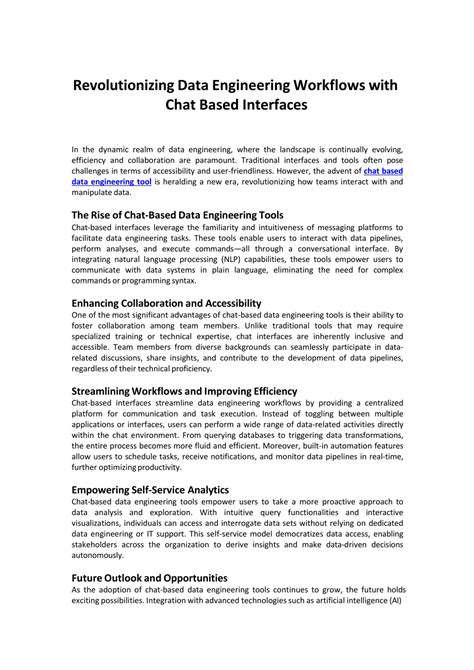
The Synergy of ERP and Supply Chain Data Management
The Synergy of ERP and Supply Chain Data Management
Sep 22, 2025 -

Big Data for Supply Chain Resilience: Building Robust Systems
Big Data for Supply Chain Resilience: Building Robust Systems
Sep 22, 2025 -

-

Natural language generation for automated shipping schedules and updates
Natural language generation for automated shipping schedules and updates
Sep 22, 2025 -

-

Digital Twin for Predictive Supply Chain Maintenance and Reliability
Digital Twin for Predictive Supply Chain Maintenance and Reliability
Sep 21, 2025 -
Mastering Your Data: Essential Supply Chain Data Management Strategies
Mastering Your Data: Essential Supply Chain Data Management Strategies
Sep 21, 2025 -

Building a Comprehensive Digital Twin for End to End Supply Chain View
Building a Comprehensive Digital Twin for End to End Supply Chain View
Sep 21, 2025 -
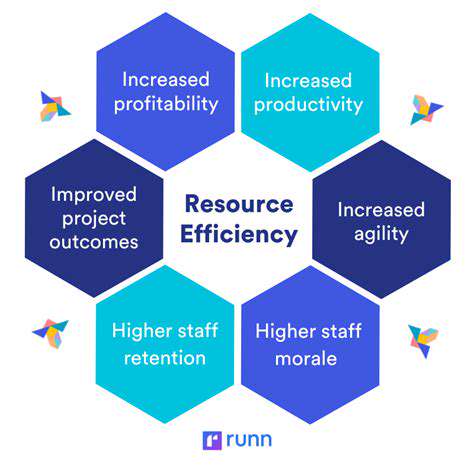
The Future of Supply Chain Automated Decision Making with Generative AI
The Future of Supply Chain Automated Decision Making with Generative AI
Sep 21, 2025 -
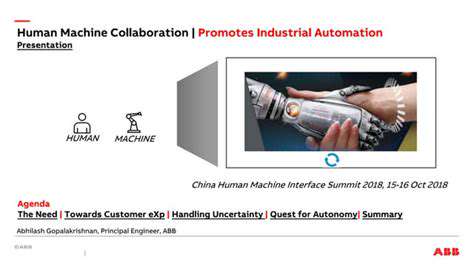
5G for enhanced communication between human workers and autonomous equipment
5G for enhanced communication between human workers and autonomous equipment
Sep 20, 2025 -

Improving Customer Satisfaction with Transparent Supply Chains
Improving Customer Satisfaction with Transparent Supply Chains
Sep 20, 2025 -

Computer vision for real time inventory level monitoring on shelves
Computer vision for real time inventory level monitoring on shelves
Sep 20, 2025 -

Real Time Tracking for Pharmaceuticals and Medical Devices
Real Time Tracking for Pharmaceuticals and Medical Devices
Sep 20, 2025 -

-

AI for Smart Contract Auditing in Supply Chains
AI for Smart Contract Auditing in Supply Chains
Sep 18, 2025
